
Sector: Healthcare – Technical Case Study
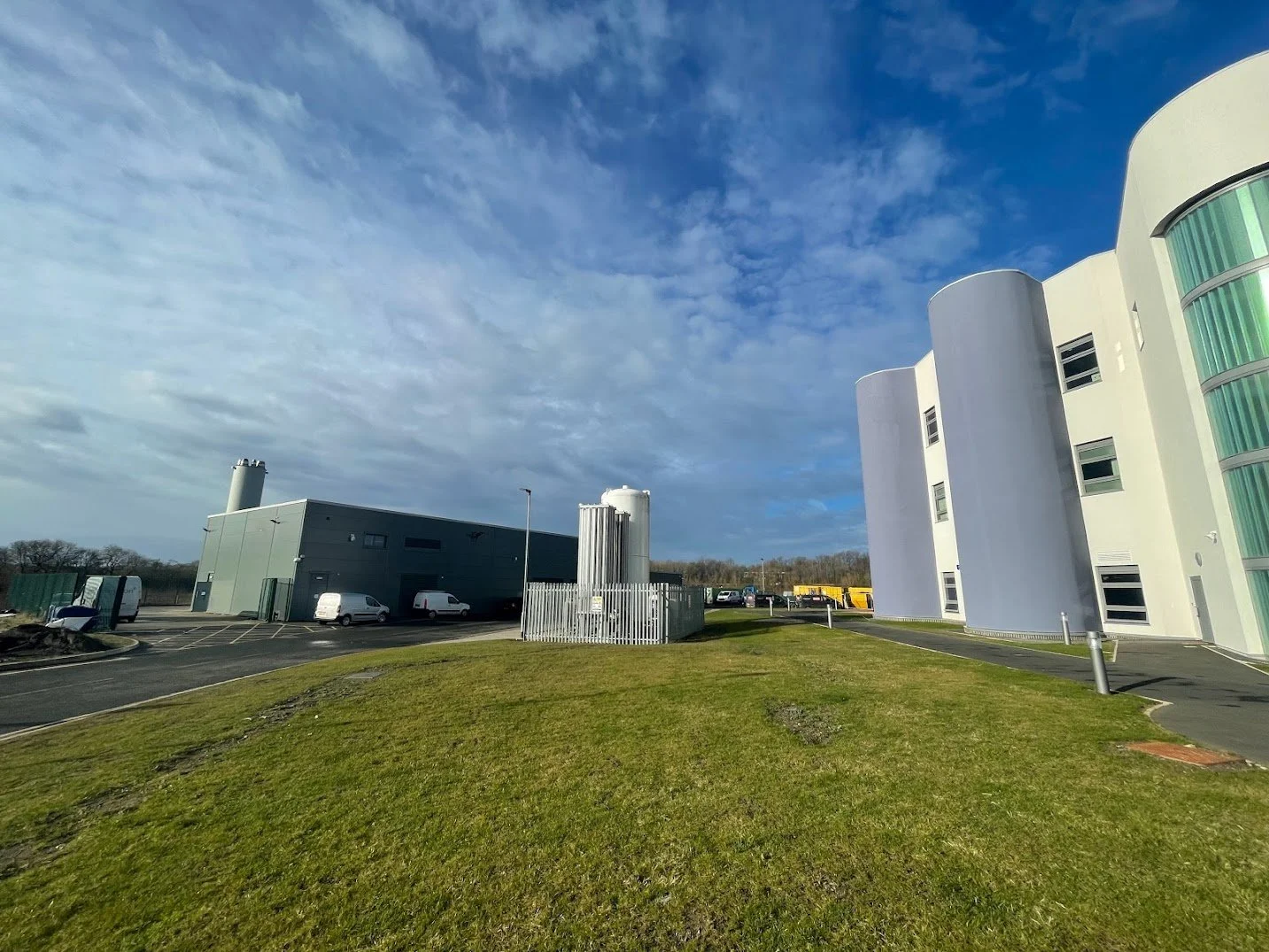
NSECH Cramlington Hospital
Biofuel CHP Remediation
-
Northumbria Specialist Emergency Care Hospital (NSECH) in Cramlington had invested in a liquid biofuel combined heat and power (CHP) system to provide low-carbon electricity and heat. The system was designed to deliver significant cost savings whilst reducing the hospital's reliance on fossil fuels.
However, the original installation had never worked as intended. The CHP engine suffered from persistent reliability problems, with fuel filters requiring replacement every one to three days due to inadequate fuel conditioning. More seriously, the original design presented genuine safety hazards: the fuel day tank was positioned directly above the engine's turbocharger, and leaking pipework joints created slip and fire risks within the Energy Centre. No formal hazard assessment had been carried out during the original design process.
By 2018, the system had been out of operation for over a year. The hospital was losing the projected revenue and cost savings, whilst continuing to rely on fossil fuel heating. The hospital's facilities management team needed a partner who could diagnose the root causes, design a safe and effective solution, and bring the system back into reliable operation.
-
We began with a thorough investigation of the existing installation, identifying the technical failures and safety concerns that had prevented reliable operation. This revealed fundamental design flaws in the fuel handling and conditioning systems, alongside inappropriate material selections and missing safety controls.
Our methodology combined rigorous engineering analysis with a collaborative approach, engaging with the facilities management team and other stakeholders throughout. We commissioned an independent hazard identification (HAZID) assessment to ensure the remediation design addressed all safety concerns systematically.
Beyond the immediate CHP remediation, we identified opportunities to improve the wider Energy Centre performance, including the biomass boiler system, thermal store configuration, and heating controls. This holistic view ensured that the remediated system would integrate effectively with the hospital's overall energy infrastructure.
-
We designed and project-managed a complete remediation of the biofuel CHP system, addressing each of the identified problems:
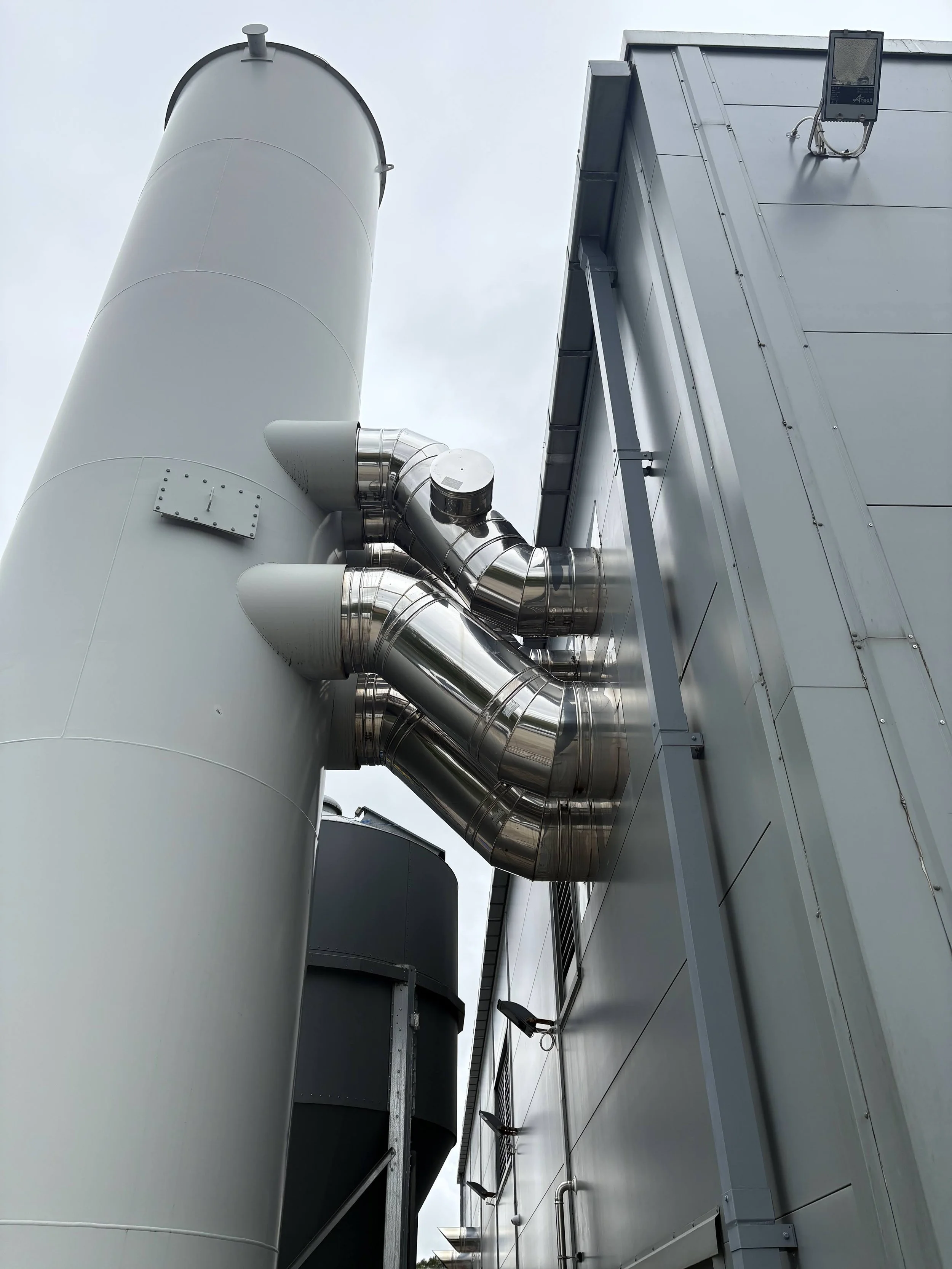
New fuel storage with a larger 40,000 litre tank to accommodate full delivery loads, reducing unit fuel costs and delivery frequency.
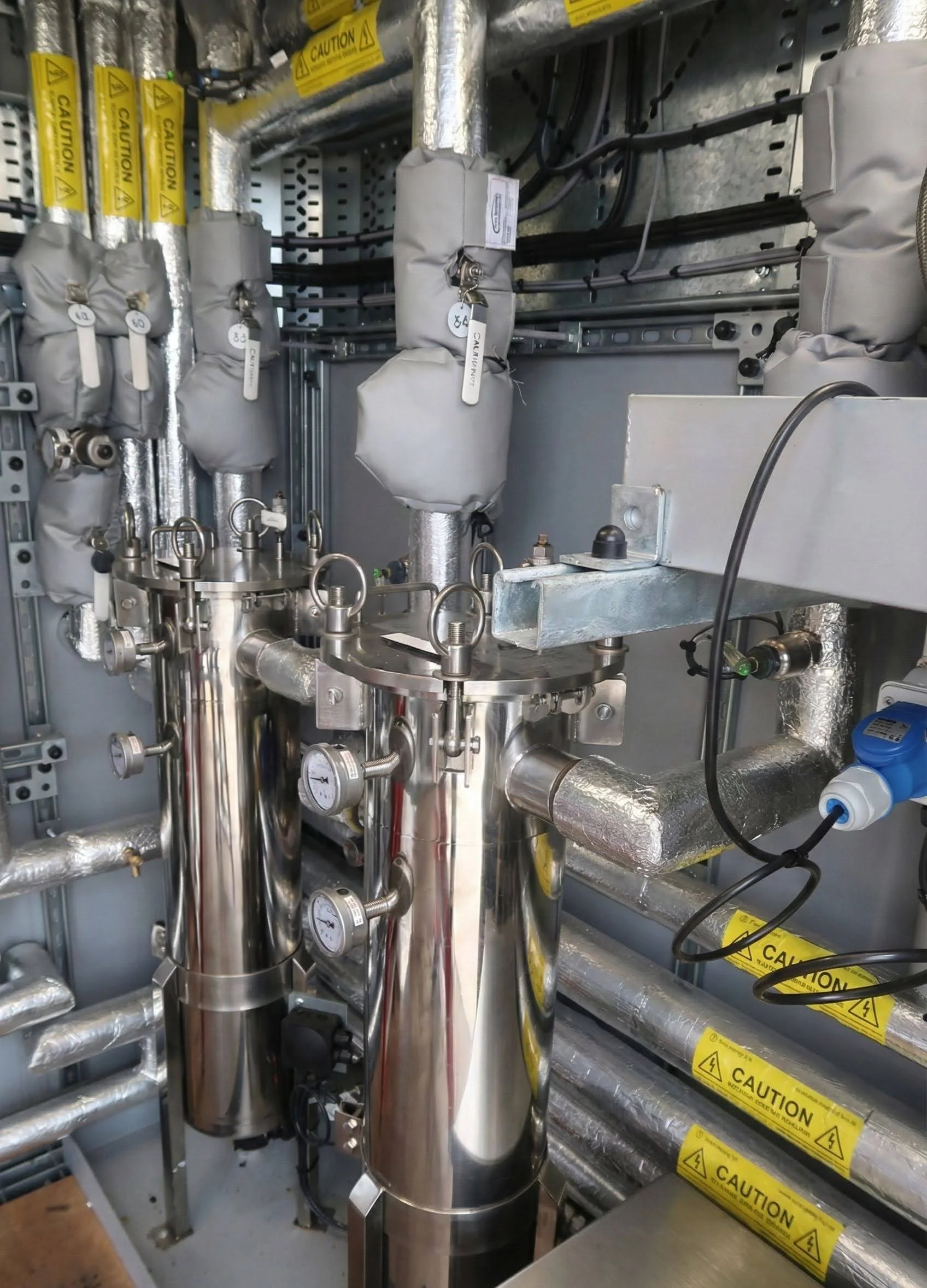
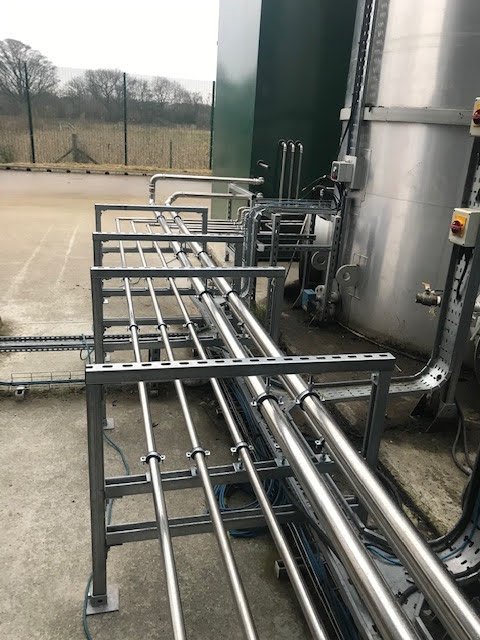
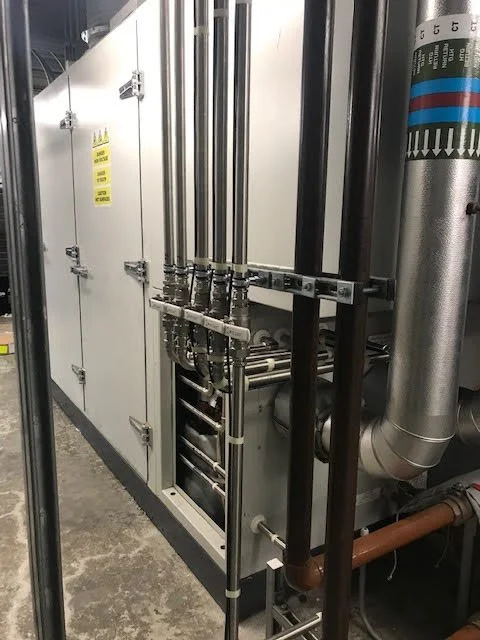
Relocated fuel handling equipment with pumps, intermediate storage and controls moved to a new external cabinet, removing the fire risk from the main Energy Centre.
Two-stage thermal treatment using heat exchange with the hospital's low temperature hot water system, maintaining optimal fuel viscosity without the hotspots that had degraded fuel quality in the original design.
Enhanced filtration integrated with a new fuel polishing circuit, dramatically reducing filter blockages and associated maintenance.
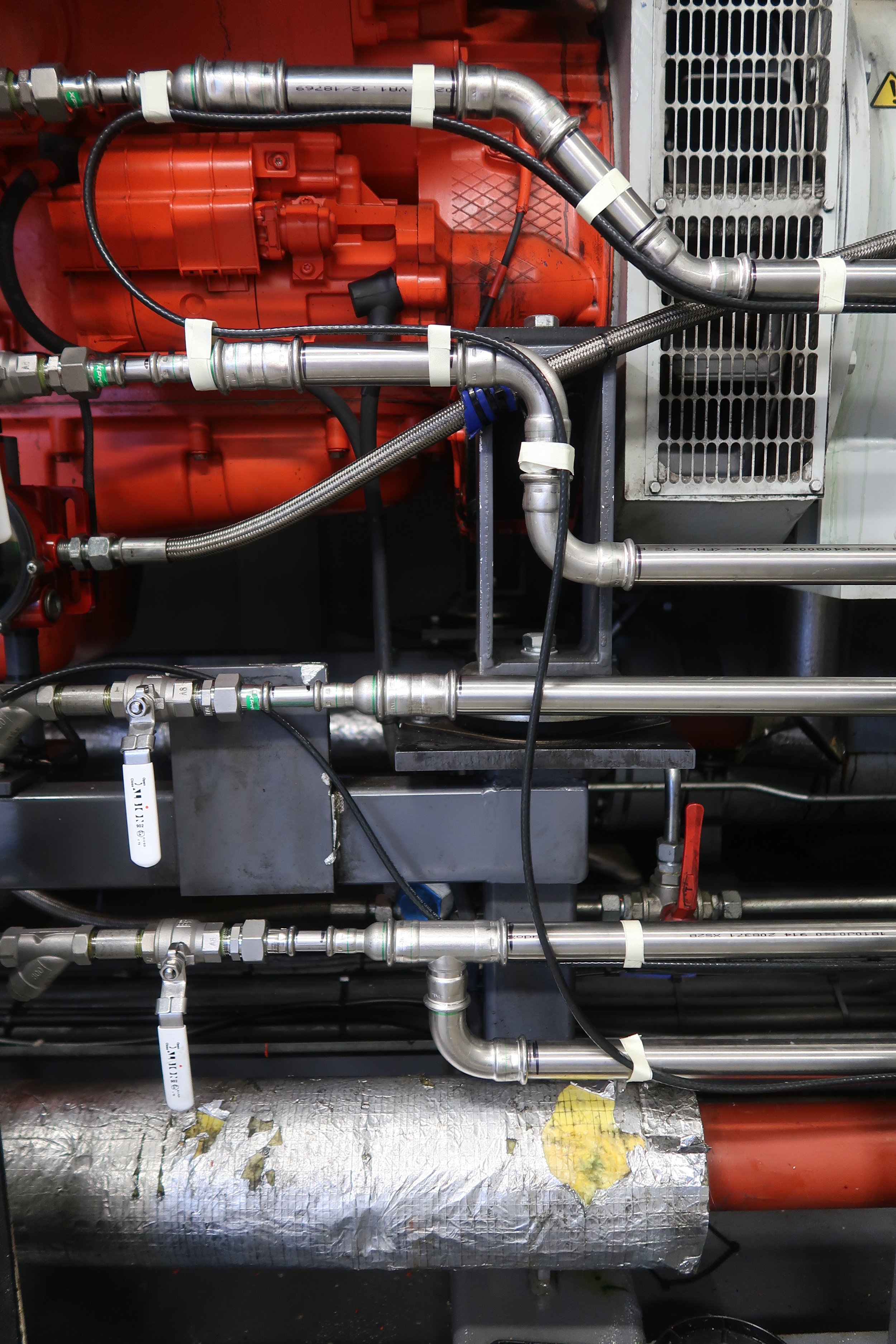
Safety upgrades including appropriate materials for all pipework joints and additional fire protection measures, all validated through the HAZID process.
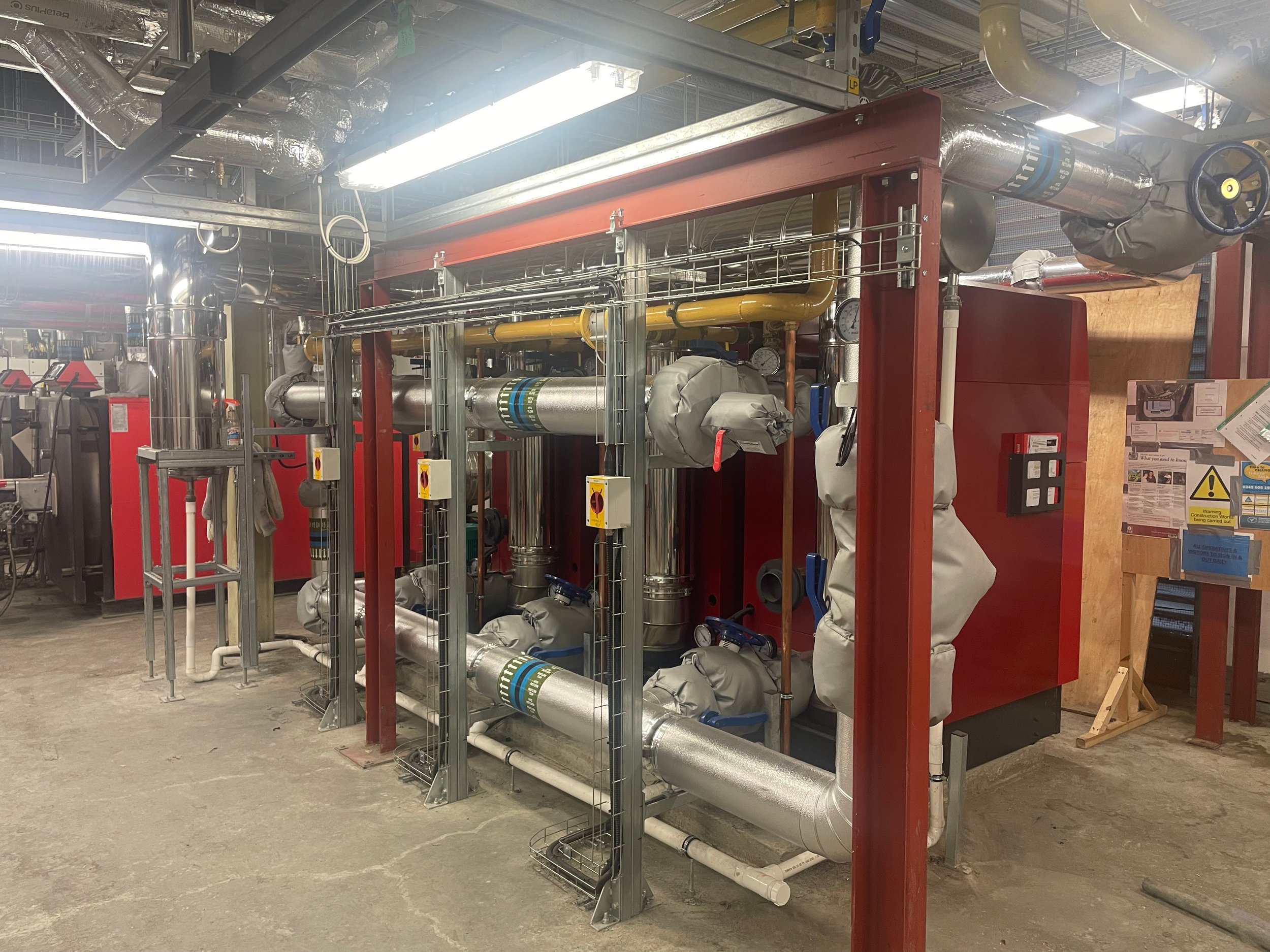
We also upgraded the biomass boiler shunt pumps, reconfigured the thermal store controls, and optimised the heating system sequencing to maximise renewable energy utilisation across the Energy Centre.
-
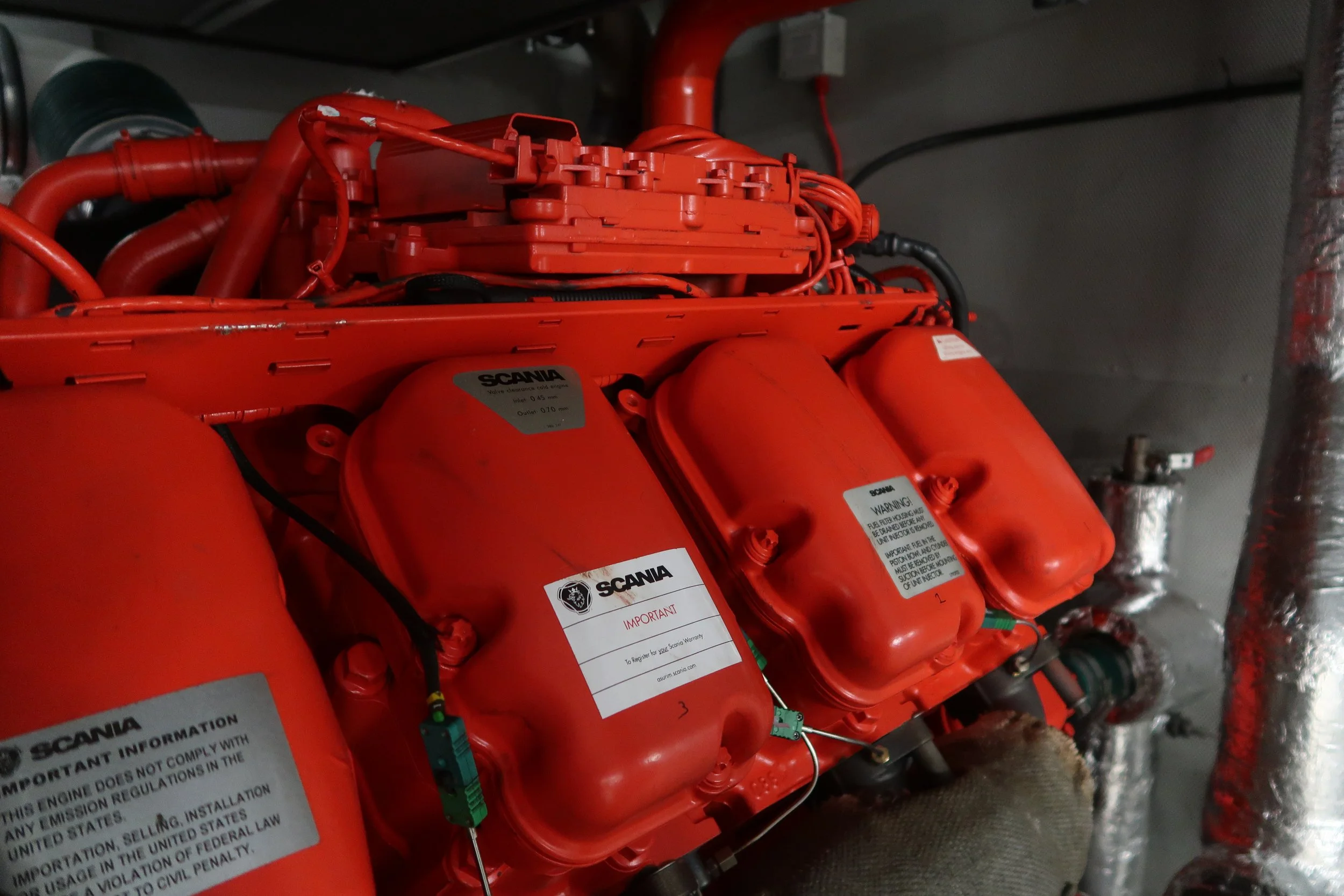
The remediated system was commissioned in 2020, returning the CHP to reliable operation after years of downtime. The plant now generates 281kW of electricity (approximately one third of the hospital's base load) alongside 200kW of heat for space heating and hot water.
The project delivered compelling economics:
Capital cost of approximately £400,000 for the complete remediation.
Annual savings of approximately £150,000 when the system is running at design capacity.
Payback period of less than three years on the remediation investment.
We supported the hospital's facilities management team through the Ofgem Renewables Obligation accreditation and CHPQA certification processes, securing the maximum available revenue from Renewables Obligation Certificates.
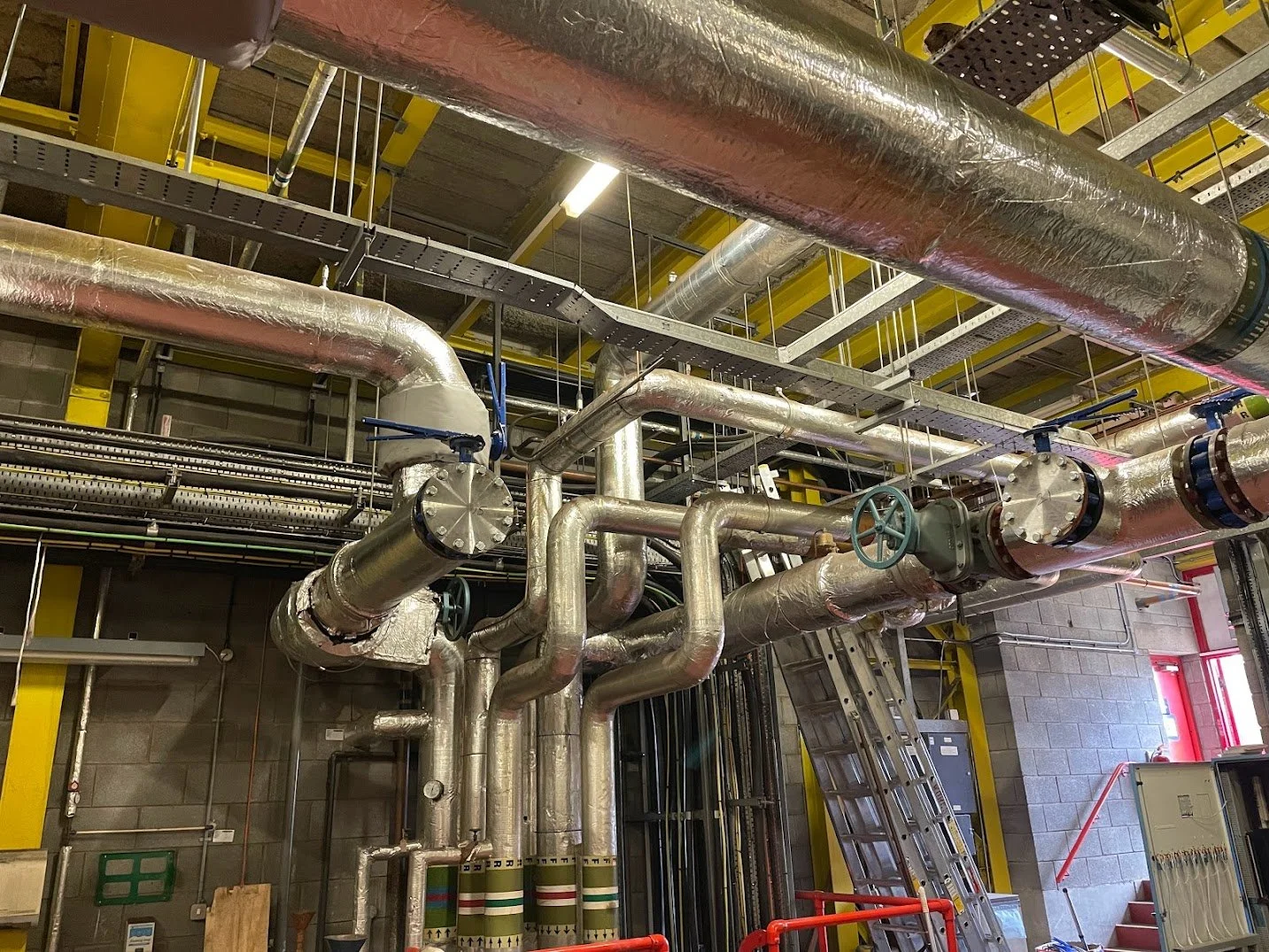
"A biofuel CHP system that had been written off as unworkable is now generating renewable electricity and heat for an NHS hospital, reducing both energy costs and greenhouse gas emissions."
Ongoing Support
Ecofund continues to provide operational support to the hospital, helping to optimise system performance and resolve any issues that arise. This ongoing relationship ensures that the Energy Centre delivers the savings and environmental benefits that the original investment was intended to achieve.
About This Project
This project demonstrates Ecofund Partners' capability in diagnosing and resolving complex renewable energy system failures. We combine engineering expertise with practical project delivery, working collaboratively with clients to turn underperforming assets into reliable, revenue-generating systems.



If you have a renewable energy installation that isn't performing as expected, we'd welcome a conversation about how we can help.
Telephone Mike Foley
Mobile: 07715 553947 for an initial discussion