
Sector: Commercial Property – Techinical Case Study
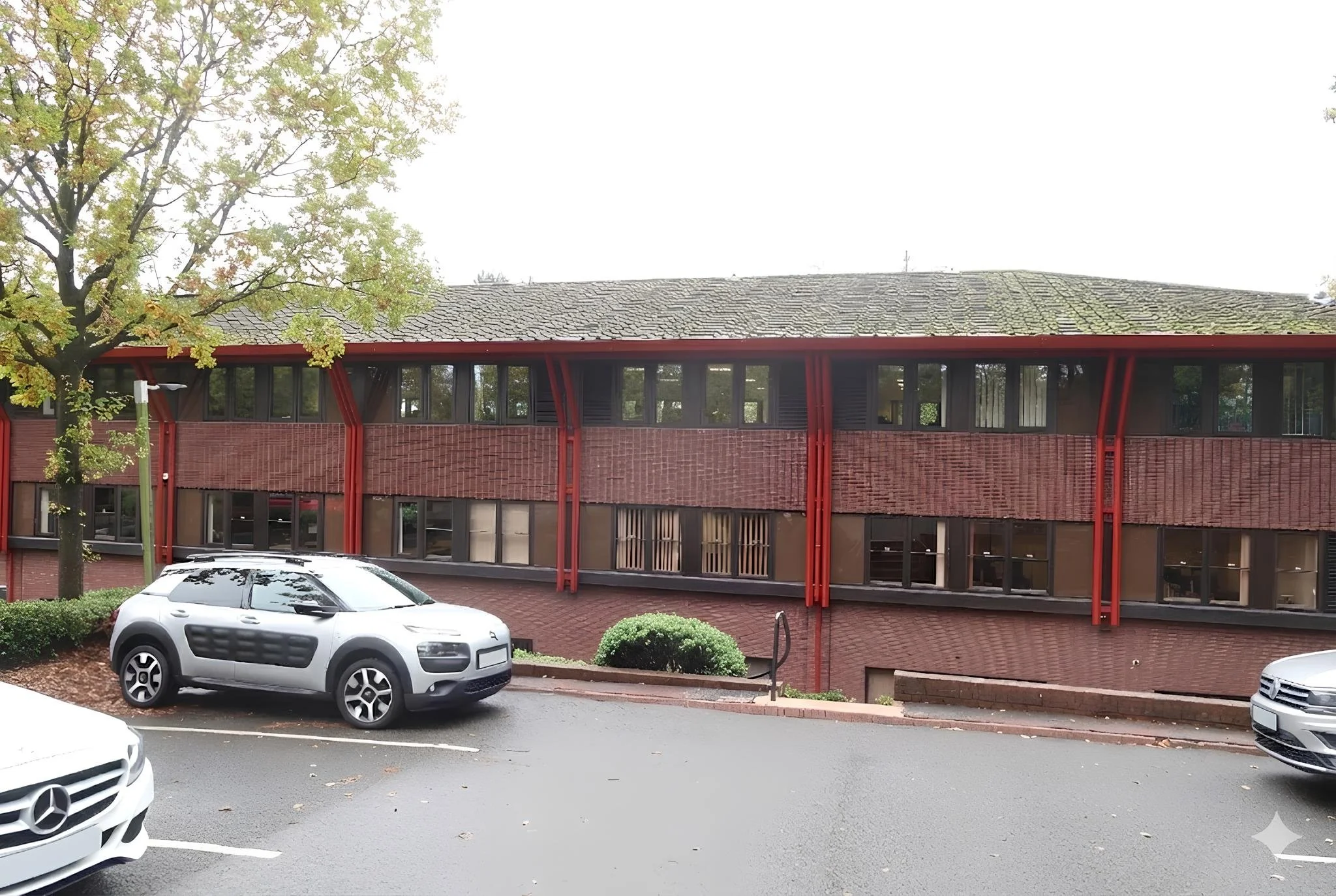
AT&T Highfield House, Redditch
Energy Feasibility Assessment
-
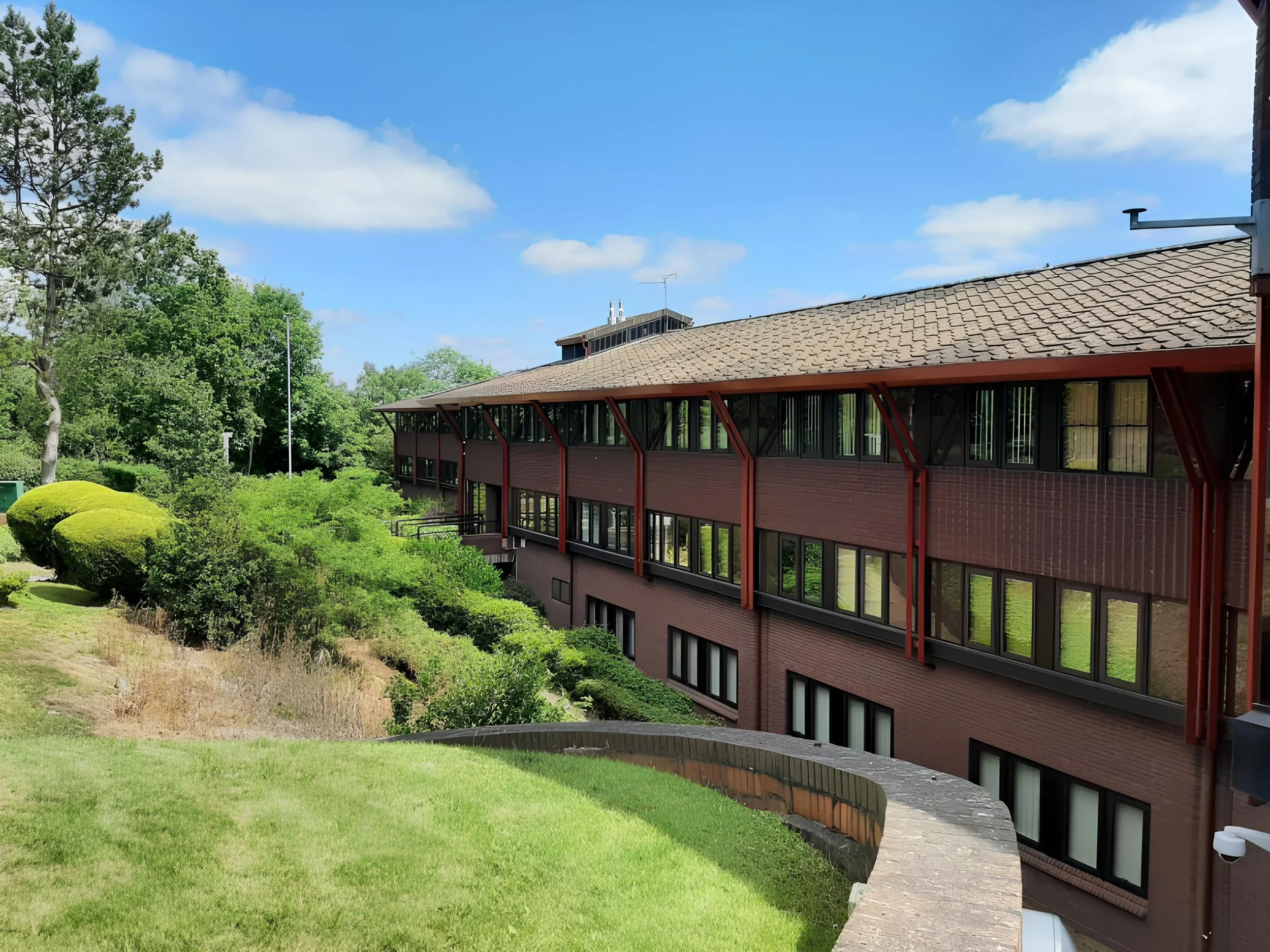
AT&T sought to reduce electricity costs and greenhouse gas emissions at Highfield House, their multi-tenant commercial office site in Redditch. Built in 1973, the building presented both challenges and opportunities: while its energy performance was reasonable by historical standards, AT&T wanted to understand the full potential for improvement and develop a clear pathway towards carbon neutrality.
The site had existing gas boiler perimeter heating and a Daikin VRV (variable refrigerant volume) system for air conditioning. AT&T needed to understand which combination of energy efficiency measures, heat decarbonisation options, and renewable generation would deliver the best balance of cost savings and emissions reduction.
-
We delivered the work in two phases. An initial solar PV feasibility assessment established the business case for rooftop generation. This was followed by a comprehensive energy feasibility study covering the full range of demand reduction and supply options.
Our approach included benchmarking energy consumption against CIBSE standards, developing detailed electricity and heat consumption profiles from half-hourly meter data, and modelling multiple technology options against these profiles to determine realistic performance and economics.
For heat supply, we evaluated four alternatives to the existing gas boiler system: wood pellet biomass, gas-fired CHP, ground source heat pumps, and increased utilisation of the existing VRV system. Each was modelled against the site's heat demand profile and assessed on both economic and environmental criteria.
For electricity, we modelled rooftop solar PV sized to match the building's demand profile, and separately assessed a solar PV carport for electric vehicle charging in the overflow car park, including the potential for a power purchase agreement with the neighbouring Severn Trent facility.
-
The feasibility study identified a practical pathway to over 80% reduction in greenhouse gas emissions, built around three main elements:
Heat decarbonisation through VRV by using the existing Daikin VRV system for heating instead of the gas boilers. While this carries a modest cost premium over gas heating, the emissions reduction is substantial, and the gap narrows as electricity grid emissions continue to fall. The existing VRV capacity was sufficient, requiring no additional capital investment in heat generation equipment.
Rooftop solar PV of 160kW across the southwestern and southeastern roof areas, sized to achieve high levels of on-site consumption with minimal export. The analysis showed strong alignment between generation and demand profiles.
Energy efficiency measures including controlled ventilation using existing CO2 sensors, optimised temperature setpoints via the Daikin Cloud system, and a transformer upgrade to reduce distribution losses.
The study also assessed a 336kW solar PV carport for electric vehicle charging, with excess generation potentially sold to Severn Trent under a PPA arrangement. While not immediately recommended due to uncertainty around EV uptake, the analysis showed this could become compelling as panel prices continue to fall and EV adoption increases.
-
The feasibility study established clear investment cases for the recommended measures:
Rooftop solar PV (160kW): £146,000 capital investment, £31,000 projected annual savings, 8-year simple payback, 16% internal rate of return.
VRV heating: no additional capital cost (using existing capacity), modest operating cost premium over gas, with 46 tonnes CO2 reduction per year.
EV solar carport with PPA (336kW): £420,000 capital investment, £72,000 projected annual savings, 8-year simple payback, 15% internal rate of return (subject to EV uptake assumptions).
The combined measures showed potential to reduce site emissions from a baseline of 243 tonnes CO2 per year by over 80%, with a clear pathway towards carbon neutrality as grid electricity continues to decarbonise.
The benchmarking analysis confirmed that despite its age, Highfield House already performed at 'Good Practice' levels against CIBSE standards, demonstrating that well-maintained older buildings can still benefit significantly from targeted energy improvements.
"The feasibility study provided AT&T with a comprehensive roadmap for reducing emissions by over 80%, balancing practical economics with environmental ambition."
About This Project
This project demonstrates Ecofund Partners' approach to comprehensive energy feasibility assessment: evaluating multiple technology options against real consumption profiles to identify the combination that best balances cost, practicality, and emissions reduction. We don't advocate for particular technologies; we model the options and let the analysis guide the recommendations.


If you're looking to understand the full potential for energy improvement at your commercial property, we'd welcome a conversation about how we can help.
Telephone Mike Foley
Mobile: 07715 553947 for an initial discussion